What You Know
In order to be found in today’s day and age, your business needs an online presence.
What You Need
A domain name! You know you need one, but you might not know why or even how to obtain one.
Why Your Business Needs a Domain Name
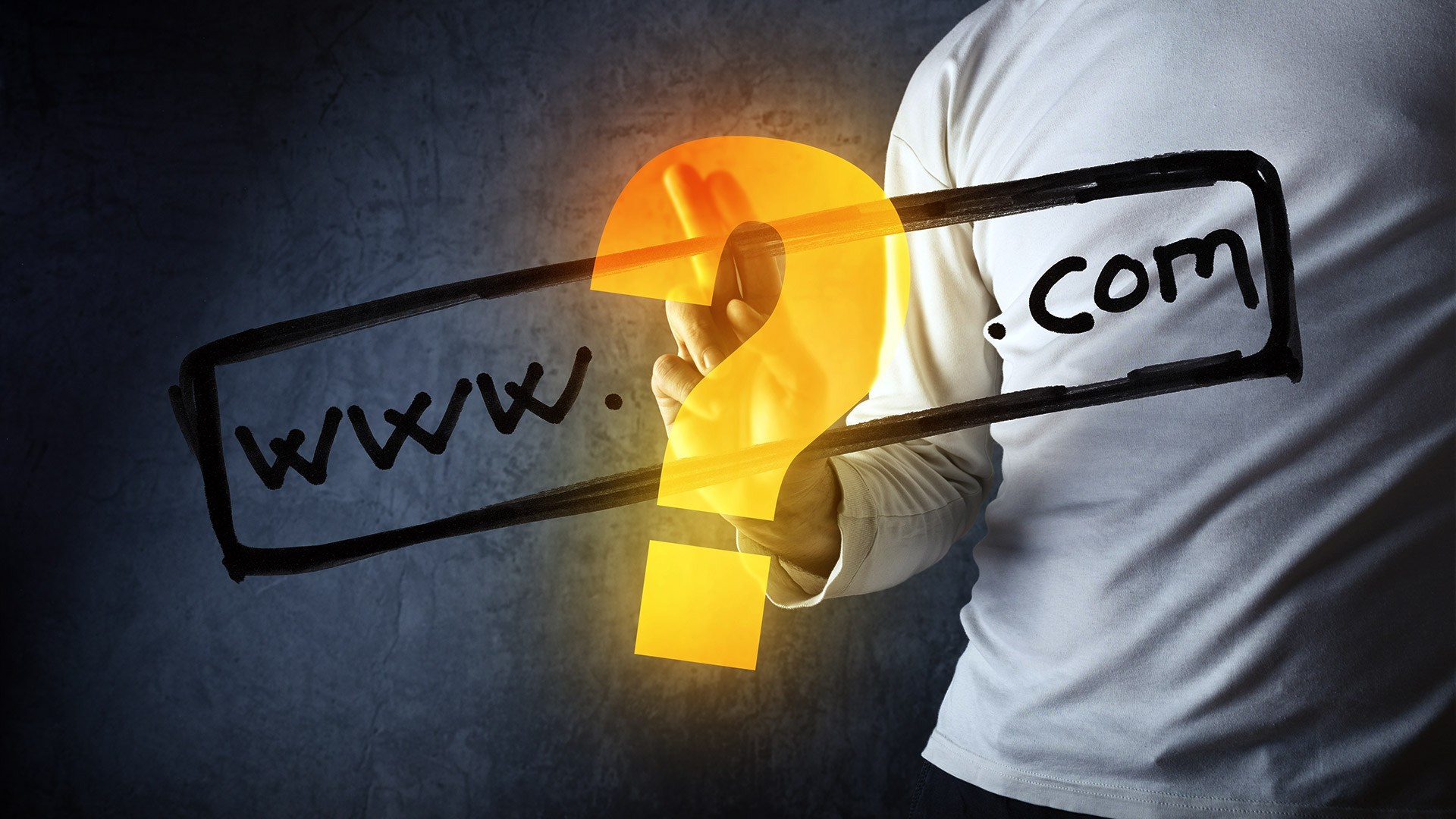
A domain name is your company’s unique identifier that represents your website.
Establishing an online presence is crucial for your business, as most consumers use an online search engine for locating products and services. If your business isn’t among the top results, you lose potential customers who will choose to go elsewhere.
A domain name provides many benefits, from establishing credibility to capitalizing on e-commerce sales to forming a connection with customers.
In order to get started, simply purchase and register your company’s domain name through SBP and receive 24/7 email support with an expert SBP team member.

SBP Domain Name Registration Services Offered
– Domain name setup
– Domain authentication & verification
– Business email set-up
– Domain name forwarding
– Domain name renewal
– Domain name transfer
– Website monitoring
related services

WEB DESIGN
After you secure a domain name, we’ll build your website or e-commerce store.

Facebook Advertising
More awareness means more customers! Our Advertising services will help you reach your core objective.

logo design
Your logo is your startup’s calling card. It’s what people come to associate your business with, and like a first impression, you’ve got to nail it.

incorporation
Separating personal and business finances is imperative. We make it fast, easy and affordable.
Ready to get your domain?
We’ll help you finalize your domain name, set up your business email, and advise you on your new website!
knowledge portal
All the components related to a product, service, company, or person is “brand identity.” Some of these items are the name, logo, tone, tagline, typeface, and shape that create an appeal. Brand identity is a separate category from brand image.
Unlike e-commerce sites that involve businesses selling their own products through a website, virtual marketplaces are where third-party sellers can do business. Amazon and eBay are popular examples of virtual marketplaces. Also known as e-commerce marketplaces, such sites may feature individual traders, large-scale manufacturers of goods, or anything in between.
Our world is getting greener by the day. As a global community, we are trying vigorously to recycle more, waste less, and become more efficient in everything that we do. Now, with the green building trend towards sustainability firmly in place, the WELL Building Standard is helping to spearhead the next big wave of change – making buildings healthier and greener for those of us who inhabit them.
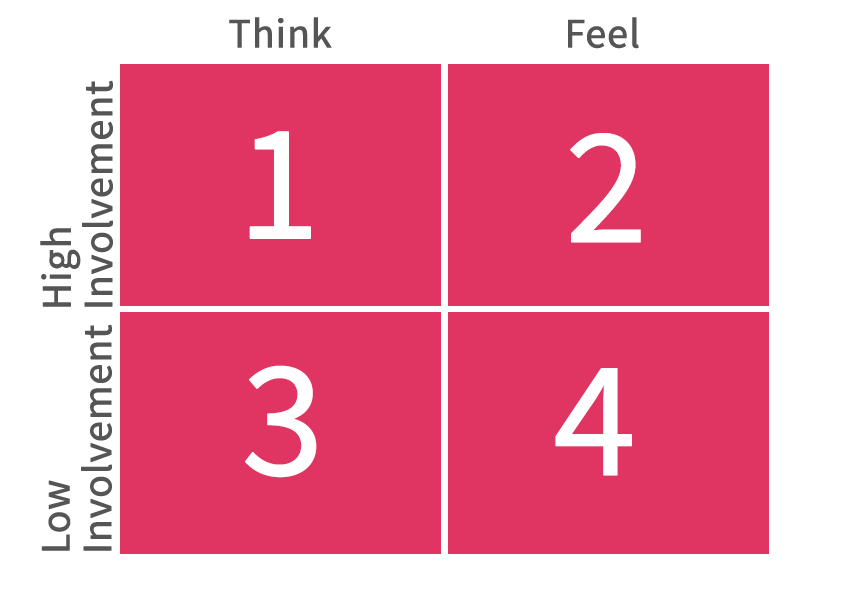
Not all content types work for all audiences. For example, the content strategy for a B2B could be to create content that requires a considered decision, whereas content for a B2C may be to stimulate an impulse buy. In this case, the B2B content should focus on establishing an authoritative profile for that business and providing more educational resources (quadrant 1). B2C content, on the other hand, should target users with emotion (quadrant 4). This was put best by Richard Vaughn and his FCB grid(3).
Conversions are usually broken into two categories: macro and micro. Each is important, yet provides different value in terms of success.
Do you know your conversion rates? What is your cost per conversion? Are you even tracking conversions? Are you starting to freak out because you don’t know any of these things? If so, you’re not alone - keep reading. Conversions (i.e., web leads) are the life-blood for many businesses and should not be taken lightly.
Starting a business is exciting—but also demanding.
This overview guide addresses some of the most common startup steps to ensure your company is ready for success.
Companies both large and small have implemented marketing automation software to varying degrees of success, but a big reason these efforts frequently fail is a lack of content strategy surrounding the marketing team’s automation efforts.
"Piercing the corporate veil" is a legal phrase that describes the owners of a corporation losing the limited liability that having a corporation provides them. When this happens, the owners’ personal assets can be used to satisfy business debts and liabilities. This concept doesn’t apply only to corporations, however. Any business type that provides limited liability to its owners is at risk of piercing the corporate veil if the owners don’t take the steps necessary to ensure this protection remains intact.
In order to incorporate a business, you must file company formation documents with the state government. Unlike a sole proprietorship or general partnership, both of which are formed as soon as the owner or owners conduct business, a corporation or LLC must be created with the state, and each state has its own incorporation requirements. This article outlines the most commonly requested elements.
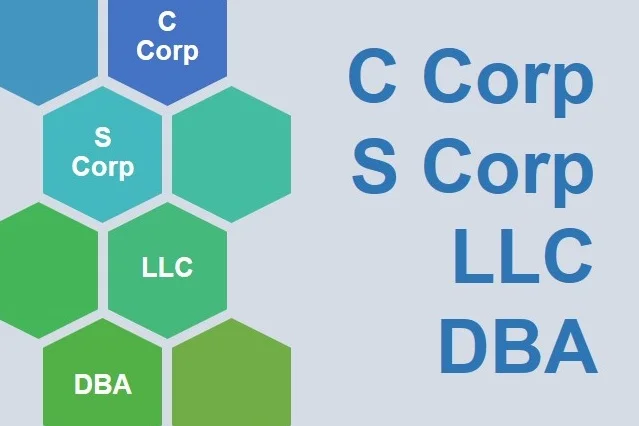
When starting a business or changing your business structure, one of the most common options business owners evaluate is whether to form an S corporation (S corp) or C corporation (C corp). These are the two most common ways to incorporate, and the choice really depends on your business goals.
In a perfect world, all landing pages on the web would contain rich content that serves to provide users with an honest and accurate solution to their queries. Unfortunately, many “black hat” SEO tactics have spoiled the quality of landing page content within search engine result pages (SERPs), forcing Google to take action by imposing algorithmic penalties.
When building landing pages, be sure to follow the same quality guidelines as other webpages. If done properly, landing pages are a great way to bring a targeted audience to a page that speaks exactly to their wants or needs, an approach known as vertical marketing.
This post may be a little dry, but it’s one of the most important subjects for generating more leads through your website – internal link structure. Specifically, how to leverage internal links for boosting traffic to your top landing pages (a.k.a. your money pages).
This is a blog post about making more money. Specifically, it’s about e-commerce sites and how they can sell more, but some of these same principles can be carried over to just about any type of business or organizational goal. Lookalike audiences are a powerful idea, even a controversial one in some circles.
Depending on the industry you’re in, you may find yourself asking “Is social media really that important to the success of my business?” It’s a good question to ask and the levels of engagement will more than likely vary from one business to the next, but social, to a certain extent, will influence the overall success of businesses in any industry.
Some people think that just by creating a nonprofit corporation, the nonprofit is tax-exempt. That is not the case. Incorporating a nonprofit in the state of formation merely establishes it as a legal business entity.
To become a tax-exempt nonprofit, you must apply for tax-exempt status with the IRS and be approved.
Starting a business takes courage, and it’s FUN yet persistent work. Being successful and staying in business takes even more. You’ll need a combination of hard work, skill, perseverance, and perhaps even luck.
Here are 5 questions to ask yourself before you plunge into business ownership.
Small business ownership isn't just another job -- the responsibilities have advantages and disadvantages, requiring you to perform many different roles using many different skills. Are you ready?
Forming a nonprofit corporation is similar to, but somewhat distinct from, incorporating a for-profit corporation. This article outlines the process and most commonly required information for forming a nonprofit corporation.
Social sentiment is a way of measuring the emotions behind social media mentions. It is a manner in which you can measure the tone of the conversation that's taking place—is this person satisfied, happy, angry, or annoyed? It's not enough to know that something is trending. Sentiment adds context to social media. Without sentiment, data can be easily misleading.